The Ultimate Brussels Sprout Companion Planting Chart
The Ultimate Brussels Sprout Companion Planting Chart
Brussels sprouts are a delicious and nutritious vegetable that can be grown in many different climates. They are a member of the Brassicaceae family, which also includes broccoli, cabbage, and cauliflower. Brussels sprouts are relatively easy to grow, but they can be susceptible to pests and diseases. Companion planting can help to deter pests and diseases, and it can also improve the growth and flavor of your Brussels sprouts.
In this blog post, we will discuss the benefits of companion planting with Brussels sprouts. We will also provide a companion planting chart that lists some of the best plants to grow near Brussels sprouts.
Benefits of Companion Planting with Brussels Sprouts
There are many benefits to companion planting with Brussels sprouts. Some of the most common benefits include:
- Deterrent to pests and diseases. Many companion plants have natural insecticidal or fungicidal properties. Planting these plants near your Brussels sprouts can help to protect them from pests and diseases. For example, marigolds are a good companion plant for Brussels sprouts because they repel cabbage moths.
- Improved growth and flavor. Some companion plants can help to improve the growth and flavor of Brussels sprouts. For example, carrots can help to improve the flavor of Brussels sprouts, and beans can help to improve the nitrogen levels in the soil.
- Attraction of pollinators. Some companion plants attract pollinators, such as bees and butterflies. Pollinators are essential for the pollination of Brussels sprouts and other vegetables.
- Reduced competition for resources. Companion planting can help to reduce competition for resources, such as sunlight, water, and nutrients. This can help to ensure that your Brussels sprouts have the resources they need to grow and thrive.
Companion Planting Chart for Brussels Sprouts
The following chart lists some of the best plants to grow near Brussels sprouts. These plants have been chosen because they have beneficial effects on Brussels sprouts, such as deterring pests and diseases, improving growth and flavor, or attracting pollinators.
| Companion Plant | Beneficial Effect |
|---|---|
| Beans | Improve nitrogen levels in the soil |
| Beets | Add magnesium back to the soil |
| Carrots | Improve flavor of Brussels sprouts |
| Chamomile | Repel pests |
| Dill | Repel pests and attract pollinators |
| Garlic | Repel pests |
| Marigolds | Repel pests |
| Mint | Repel pests |
| Nasturtiums | Act as trap crop for pests |
| Onions | Repel pests |
| Peas | Loosen soil and improve nitrogen levels |
| Rosemary | Repel pests |
| Sage | Repel pests |
| Spinach | Improve growth of Brussels sprouts |
Plants to Avoid Planting Near Brussels Sprouts
There are a few plants that you should avoid planting near Brussels sprouts. These plants are either susceptible to the same pests and diseases as Brussels sprouts, or they can compete with Brussels sprouts for resources.
- Other cabbages, such as broccoli, cauliflower, and kale
- Cucumbers
- Melons
- Lettuce
- Spinach
Conclusion
Companion planting is a great way to deter pests and diseases, improve the growth and flavor of your Brussels sprouts, and attract pollinators. By planting the right companion plants near your Brussels sprouts, you can help to ensure a bountiful harvest.
Brussels sprouts are a delicious and nutritious vegetable that can be grown in many different climates. But did you know that companion planting can help to improve their growth and yield?
Companion planting is the practice of planting different types of plants together in a way that benefits each other. Some plants, for example, can help to attract beneficial insects, deter pests, or improve the soil quality.
When it comes to Brussels sprouts, there are a few companion plants that are particularly beneficial. These include:
- Alliums: Alliums, such as onions, garlic, and chives, can help to deter pests like cabbage moths and aphids.
- Carrots: Carrots can help to improve the soil quality and deter root-knot nematodes.
- Lettuce: Lettuce can help to shade the soil and suppress weeds.
- Marigolds: Marigolds can help to attract beneficial insects and deter pests.
- Pole beans: Pole beans can provide support for Brussels sprouts and help to fix nitrogen in the soil.
For more information about Brussels sprout companion planting, I recommend visiting Garden Wiki. This website has a comprehensive companion planting chart that lists which plants are compatible with Brussels sprouts.
FAQ of brussel sprout companion planting chart
Q: What are the benefits of companion planting Brussels sprouts?
A: Companion planting is the practice of planting certain types of plants together in order to benefit each other. There are many benefits to companion planting Brussels sprouts, including:
- Attracting beneficial insects: Some plants, such as nasturtiums and marigolds, attract beneficial insects that help to control pests. This can help to keep your Brussels sprouts healthy and free of pests.
- Distracting pests: Other plants, such as onions and garlic, have strong smells that can distract pests from your Brussels sprouts. This can help to prevent them from being eaten.
- Providing nutrients: Some plants, such as legumes, fix nitrogen in the soil. This can help to improve the nutrient content of the soil for your Brussels sprouts.
- Shading the soil: Some plants, such as sunflowers and corn, can shade the soil around your Brussels sprouts. This can help to keep the soil cool and moist, which can benefit the growth of your Brussels sprouts.
Q: What are some good companion plants for Brussels sprouts?
A: Some good companion plants for Brussels sprouts include:
- Beetroot
- Bush beans
- Carrots
- Celery
- Lettuce
- Onions
- Peas
- Potatoes
- Spinach
These plants are all relatively non-competitive and can help to deter pests or attract beneficial insects.
Q: What are some bad companion plants for Brussels sprouts?
A: Some bad companion plants for Brussels sprouts include:
- Eggplant
- Peppers
- Potatoes
- Tomatoes
- Mustard greens
These plants can compete with Brussels sprouts for water and nutrients, or they can attract pests that can damage your Brussels sprouts.
Q: How do I use a Brussels sprout companion planting chart?
A: A Brussels sprout companion planting chart can help you to choose the best plants to grow near your Brussels sprouts. The chart will show you which plants are beneficial to Brussels sprouts, which plants are neutral, and which plants are harmful. You can use this information to plan your garden and create a planting scheme that will benefit your Brussels sprouts.
Q: Where can I find a Brussels sprout companion planting chart?
A: There are many places where you can find a Brussels sprout companion planting chart. You can find them online, in gardening books, and at some garden centers.
Image of brussel sprout companion planting chart
Image 1: This image shows a circular companion planting chart with brussel sprouts in the center. The chart shows which plants are good companions for brussel sprouts (green) and which plants are bad companions (red). Some of the good companions include beets, carrots, chamomile, garlic, mint, nasturtiums, onions, and rosemary. Some of the bad companions include cabbage, cauliflower, collard greens, kale, kohlrabi, mustard greens, radishes, and turnips.
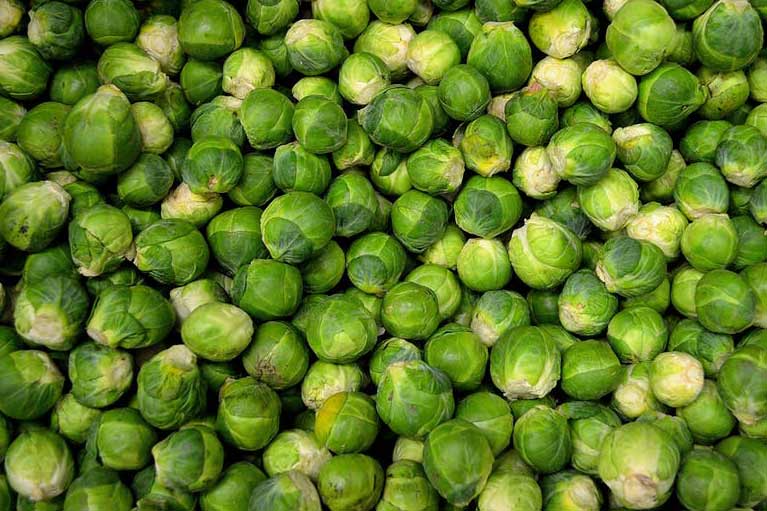
Image 2: This image shows a vertical companion planting chart with brussel sprouts at the top. The chart shows which plants can be planted in the same row as brussel sprouts (green) and which plants should be planted in alternating rows (yellow). Some of the plants that can be planted in the same row as brussel sprouts include carrots, lettuce, onions, and peas. Some of the plants that should be planted in alternating rows include tomatoes, cucumbers, and potatoes.
Image 3: This image shows a detailed companion planting chart with brussel sprouts at the top. The chart shows which plants are beneficial to brussel sprouts (green), which plants are neutral to brussel sprouts (white), and which plants are harmful to brussel sprouts (red). Some of the plants that are beneficial to brussel sprouts include beets, carrots, chamomile, garlic, mint, nasturtiums, onions, and rosemary. Some of the plants that are neutral to brussel sprouts include lettuce, peas, and spinach. Some of the plants that are harmful to brussel sprouts include cabbage, cauliflower, collard greens, kale, kohlrabi, mustard greens, radishes, and turnips.
Image 4: This image shows a simple companion planting chart with brussel sprouts at the top. The chart shows which plants are good companions for brussel sprouts (green) and which plants are bad companions (red). Some of the good companions include beets, carrots, herbs, onions, and tomatoes. Some of the bad companions include cabbage, cauliflower, collard greens, kale, kohlrabi, mustard greens, radishes, and turnips.
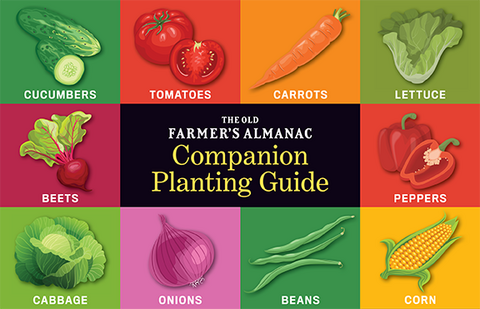
Image 5: This image shows a companion planting chart for a variety of vegetables, including brussel sprouts. The chart shows which vegetables are good companions for each other (green) and which vegetables should not be planted together (red). Some of the good companions for brussel sprouts include beets, carrots, herbs, onions, and tomatoes. Some of the vegetables that should not be planted near brussel sprouts include cabbage, cauliflower, collard greens, kale, kohlrabi, mustard greens, radishes, and turnips.

Post a Comment for "The Ultimate Brussels Sprout Companion Planting Chart"