The Ultimate Guide To Companion Planting Herbs
The Ultimate Guide to Companion Planting Herbs
Companion planting is a gardening practice that involves planting certain plants together in order to benefit each other's growth and health. This can be done with vegetables, flowers, and herbs. When it comes to herbs, there are a number of different combinations that can be beneficial.
In this guide, we will discuss the basics of companion planting herbs, as well as some specific pairings that you may want to consider for your own garden. We will also cover some of the reasons why companion planting works, and how you can use it to create a more productive and pest-free garden.
Why Companion Plant Herbs?
There are a number of reasons why you might want to consider companion planting herbs in your garden. Some of the benefits include:
- Increased growth and productivity: Companion planting can help to improve the growth and productivity of your herbs. For example, basil can help to improve the flavor and growth of tomatoes, while chives can help to repel pests that can damage carrots.
- Reduced pest and disease problems: Companion planting can help to reduce the number of pests and diseases that attack your herbs. For example, mint can help to repel mosquitoes and aphids, while rosemary can help to deter rabbits and deer.
- Improved soil health: Companion planting can help to improve the overall health of your soil. For example, legumes, such as clover and alfalfa, can fix nitrogen in the soil, which can benefit other plants that need nitrogen.
- Enhanced flavor: Companion planting can also enhance the flavor of your herbs. For example, planting parsley near tomatoes can help to improve the flavor of both plants.
How to Companion Plant Herbs
When companion planting herbs, there are a few things you need to keep in mind. First, you need to choose the right herbs to plant together. Some herbs, such as mint, can be aggressive and crowd out other plants. It is also important to consider the growing conditions of the herbs you are planting. Some herbs, such as basil, need full sun, while others, such as parsley, prefer partial shade.
Once you have chosen the right herbs to plant together, you need to plant them in the correct location. Some herbs, such as chives, can be planted in the ground, while others, such as lavender, are better suited for containers. You also need to make sure that you space the herbs properly. This will help to prevent them from competing for resources.
Here are some specific pairings of herbs that you may want to consider for your own garden:
- Basil and tomatoes: Basil is known to improve the flavor and growth of tomatoes. It also helps to deter pests, such as aphids and whiteflies.
- Chives and carrots: Chives help to repel carrot flies, which can damage carrots. They also help to improve the flavor of carrots.
- Lavender and roses: Lavender helps to deter pests, such as aphids and spider mites, from roses. It also helps to improve the fragrance of roses.
- Mint and beans: Mint helps to repel aphids and other pests from beans. It also helps to improve the flavor of beans.
- Parsley and tomatoes: Parsley helps to improve the flavor of tomatoes. It also helps to deter pests, such as tomato hornworms.
Conclusion
Companion planting herbs is a great way to improve the growth, productivity, and flavor of your herbs. By planting the right herbs together, you can help to deter pests, improve soil health, and enhance the flavor of your herbs.
If you are new to companion planting, it is a good idea to start with a few simple pairings. As you gain more experience, you can experiment with different combinations. With a little planning, you can create a beautiful and productive herb garden that is both beneficial and visually appealing.
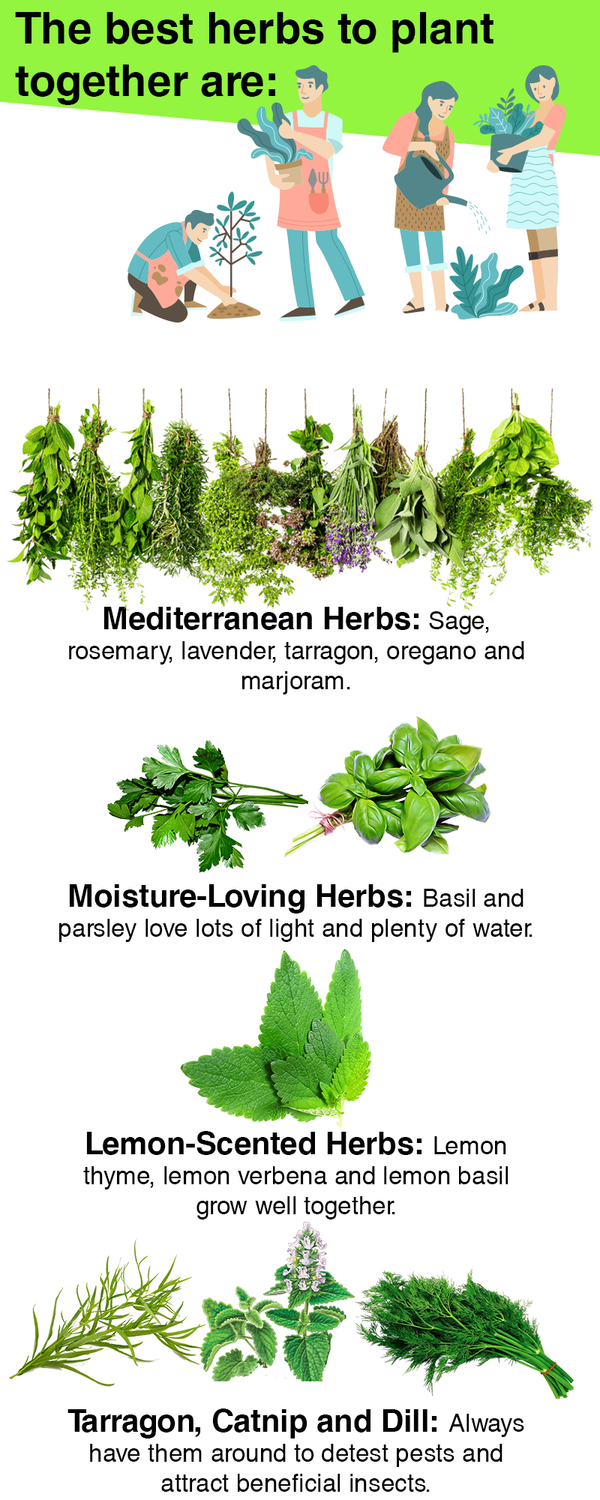
Are you looking for the best herbs to grow together? There are many factors to consider when choosing herbs to plant in the same pot or garden bed, such as their sunlight requirements, water needs, and growth habits. Some herbs that grow well together include:
- Basil, tarragon, and oregano: These Mediterranean herbs have similar growing requirements and can help deter pests.
- Lemon verbena, dill, and cilantro: These herbs all have a citrusy flavor and can be used in a variety of dishes.
- Lavender, rosemary, and thyme: These herbs have a strong fragrance and can be used to repel insects.
- Parsley, sage, and chives: These herbs are all essential in the kitchen and can be used in a variety of dishes.
For more information about the best herbs to grow together, visit Gardenia Inspiration. This website provides a comprehensive guide to companion planting, including information on which herbs to avoid planting together.
FAQ of best herbs to grow together
null
Image of best herbs to grow together
Here are 5 different images of "best herbs to grow together" from Pinterest:
- Basil, Tarragon, and Oregano. These Mediterranean herbs tend to pair well due to similar growing requirements, and planting oregano alongside basil and tarragon may help prevent pests.
- Lemon Verbena, Dill, and Cilantro. These herbs all have different scents and flavors, so they can be used to add variety to your dishes. They also have different water and sunlight requirements, so they can help to balance each other out in the garden.

- Lavender, Rosemary, and Thyme. These herbs are all drought-tolerant and can thrive in full sun. They also have a long lifespan, so you can enjoy them for years to come.

- Parsley, Sage, and Chives. These herbs are all easy to grow and can be used in a variety of dishes. They are also relatively pest- and disease-resistant.
- Mint, Cilantro, and Basil. These herbs are all known for their strong flavors, so they can be used to add a pop of flavor to your dishes. They also have different water and sunlight requirements, so they can help to balance each other out in the garden.
Post a Comment for "The Ultimate Guide To Companion Planting Herbs"