Little Honey Oakleaf Hydrangea: The Perfect Shrub For Small Spaces
Little Honey Oakleaf Hydrangea: The Perfect Shrub for Small Spaces
If you're looking for a beautiful and low-maintenance shrub for your small space, look no further than the Little Honey Oakleaf Hydrangea. This dwarf cultivar of the popular oakleaf hydrangea grows to just 3-4 feet tall and wide, making it perfect for even the smallest of yards.
Little Honey Oakleaf Hydrangea is known for its bright golden-yellow foliage in spring that matures to chartreuse in summer. The white flowers are in clusters and bloom in June- July. The fall color is also excellent, turning to shades of red.
In addition to its beautiful foliage and flowers, Little Honey Oakleaf Hydrangea is also a relatively easy plant to care for. It prefers full sun to dappled shade and moist, well-drained soil. It is also drought-tolerant once established.
Little Honey Oakleaf Hydrangea is a hardy plant that can withstand cold winters in USDA zones 4-9. It is also resistant to pests and diseases.
If you're looking for a beautiful and low-maintenance shrub for your small space, the Little Honey Oakleaf Hydrangea is a great option. It is sure to add a touch of brightness and color to your garden for many years to come.
Here are some additional details about Little Honey Oakleaf Hydrangea:
- Botanical name: Hydrangea quercifolia 'Little Honey'
- Hardiness zones: 4-9
- Height: 3-4 feet
- Spread: 3-4 feet
- Sun exposure: Full sun to dappled shade
- Soil: Moist, well-drained, slightly acidic soil
- Watering: Regularly, especially during hot, dry weather
- Fertilizing: Once a year in spring with a balanced fertilizer
- Pruning: Prune right after flowering to remove spent blooms and to shape the plant
- Pests and diseases: Generally resistant to pests and diseases
Here are some tips for planting and caring for Little Honey Oakleaf Hydrangea:
- Choose a planting site that receives full sun to dappled shade.
- The soil should be moist, well-drained, and slightly acidic.
- Amend the soil with compost or peat moss before planting.
- Plant the hydrangea at the same depth as it was growing in the nursery pot.
- Water the hydrangea regularly, especially during hot, dry weather.
- Fertilize the hydrangea once a year in spring with a balanced fertilizer.
- Prune the hydrangea right after flowering to remove spent blooms and to shape the plant.
- Little Honey Oakleaf Hydrangea is generally resistant to pests and diseases, but it may be susceptible to powdery mildew in humid climates.
Here are some ideas for using Little Honey Oakleaf Hydrangea in your garden:
- Plant it as a specimen shrub in a sunny spot.
- Use it to add color and interest to a foundation planting.
- Combine it with other shrubs and perennials in a shrub border.
- Plant it in a container on a patio or deck.
- Use it as a cut flower.
With its beautiful foliage, flowers, and easy care, Little Honey Oakleaf Hydrangea is a great choice for any gardener. Whether you have a small space or a large yard, this dwarf hydrangea is sure to add a touch of beauty and charm to your garden.
If you're looking for a beautiful and unique hydrangea, look no further than Hydrangea quercifolia Little Honey. This compact shrub is known for its bright golden-yellow foliage in spring that matures to chartreuse in summer and then turns a stunning crimson-red in fall. Little Honey also features cone-shaped flower heads up to 5 inches long, packed with large, white ray florets that take on delightful pink tinges as fall approaches.
Little Honey is a relatively easy plant to care for and is well-suited for small gardens. It prefers full sun or part shade and moist, well-drained soil. Pruning should be done right after flowering.
To learn more about Hydrangea quercifolia Little Honey, visit . This website has a wealth of information about this plant, including its care requirements, growing conditions, and potential pests and diseases. You can also find photos and videos of Little Honey in its various stages of growth.
FAQ of hydrangea quercifolia little honey
Q: What are the most important things to know about caring for Hydrangea quercifolia Little Honey?
A: Hydrangea quercifolia Little Honey is a relatively easy-care shrub, but there are a few things you can do to ensure that it thrives. First, plant it in a location that receives full sun to partial shade. Little Honey prefers moist, well-drained soil, so amend the soil with compost or other organic matter before planting. Water regularly, especially during the first year after planting. Little Honey does not require a lot of pruning, but you can remove dead or damaged branches in the spring.
Q: What are the common pests and diseases that affect Hydrangea quercifolia Little Honey?
A: Little Honey is generally pest- and disease-resistant, but it can be susceptible to aphids, scale, and powdery mildew. If you see any pests or diseases on your plant, treat them immediately with an insecticidal soap or fungicide.
Q: How big does Hydrangea quercifolia Little Honey get?
A: Little Honey typically grows to be 3-4 feet tall and 4-5 feet wide. It is a compact shrub that is well-suited for smaller gardens.
Q: What is the best time to plant Hydrangea quercifolia Little Honey?
A: The best time to plant Little Honey is in the spring or fall. If you plant it in the spring, it will have time to establish itself before the first frost. If you plant it in the fall, it will have time to put down roots before the ground freezes.
Q: How do I propagate Hydrangea quercifolia Little Honey?
A: Little Honey can be propagated by rooting softwood cuttings in the spring or summer. Take 4-6 inch cuttings from healthy, new growth. Remove the lower leaves and dip the cut end in rooting hormone. Plant the cuttings in a well-draining potting mix and keep the soil moist. The cuttings should root in about 4-6 weeks.
Image of hydrangea quercifolia little honey
5 different images of "hydrangea quercifolia little honey" from Pinterest:
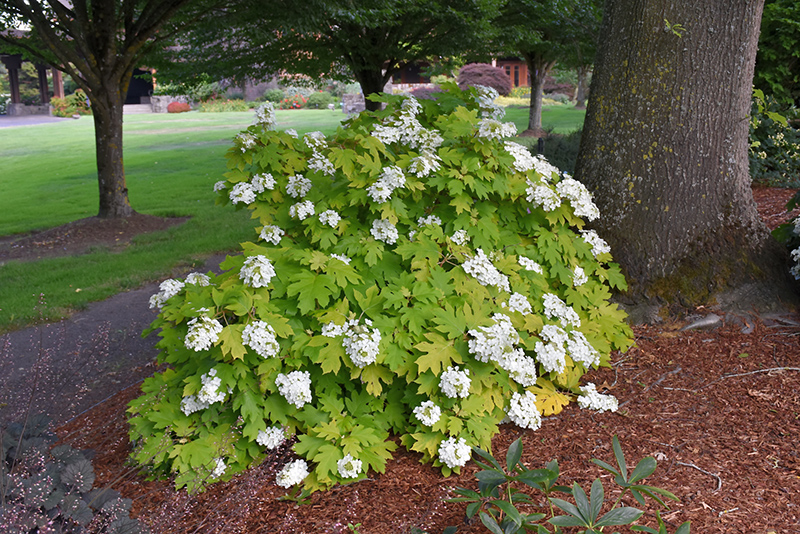 A beautiful bush of hydrangea quercifolia Little Honey in full bloom. The flowers are a deep pink color and are arranged in large, cone-shaped clusters.
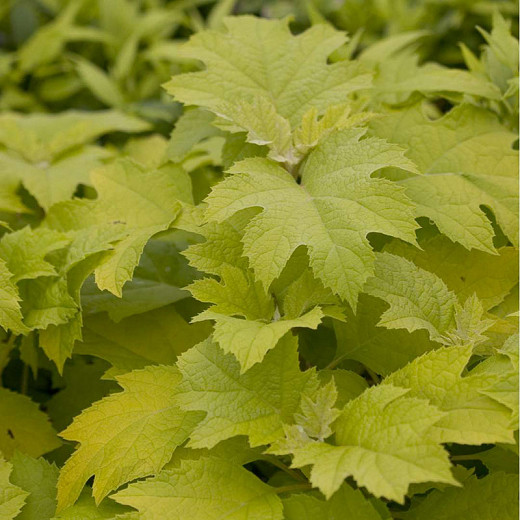
 A young hydrangea quercifolia Little Honey in early spring. The leaves are a dark green color and are just starting to unfurl. The flower buds are also starting to develop.
- A mature hydrangea quercifolia Little Honey in fall. The leaves have turned a beautiful red color and the flowers are starting to fade.
A hydrangea quercifolia Little Honey planted in a garden. The bush is surrounded by other plants, including azaleas and chrysanthemums.

A close-up of the flowers of a hydrangea quercifolia Little Honey. The flowers are a deep pink color and have a slightly fuzzy texture.
Post a Comment for "Little Honey Oakleaf Hydrangea: The Perfect Shrub For Small Spaces"